

Food Safety
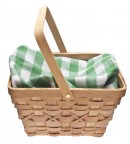
Packing Safely: How Can I Safely Pack and Carry a Picnic?
Now that summer picnic season is in full swing, I have had several requests for information on safely packing and carrying foods. Whether you are driving miles to a park or the beach or going next door for supper on the deck, the heat is on and you need to…

Answers to Your Holiday Egg Questions
Each year at this time I get questions about preparing, storing, and using hard-cooked eggs. I just wanted to remind you that you can find the answers to your questions in the Kitchen Shrink archive 24/7 all year long. Here are direct links to the answers to your Holiday Egg…
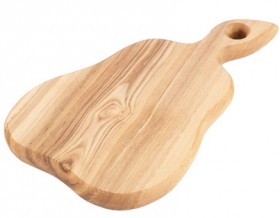
Wooden Boards: What is the best way to clean wooden cutting boards?
I recently got an e-mail from Kitty asking, “What is the best way to clean wood cutting boards?” While there are lots of other choices in cutting boards these days, wooden boards are still very popular. According to the USDA, wooden boards are porous and should be cleaned after each…
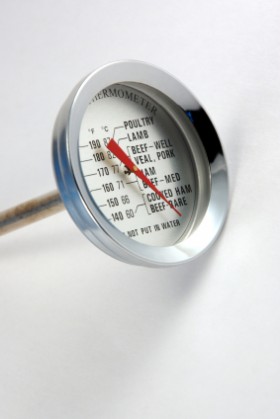
Meat: At what temperature is meat safely cooked?
I recently got an e-mail from Linda asking how long to cook a turkey meatloaf. As I took a look at several of my meatloaf recipes, I was reminded that there are slight differences in the final safe temperature depending upon the meat used, and big differences in the cooking…

Food Safety: Is the food coloring in Red Velvet Cake safe?
I recently got an e-mail from Alberta saying, “Years ago there was a warning about using too much of a red food dye (#4 if I remember correctly). I never made red velvet cake for my family because of this warning. Since red velvet cake has made a comeback, I…

Safety: Hand Washing Tips
I recently received a post on Facebook saying that I don’t wash my hands enough when handling raw protein foods. I answered that hand washing is a problem when shooting a show because even if the sink is working (not just a set), you run into the problem of touching…

Food Safety: What foods can I save when the power has been out?
Whenever there is a power outage, I get e-mails asking ” what foods can I save and what do I have to discard when my refrigerator has been off for hours?” I thought this would be a good time to remind you that the USDA web site has guidelines to…
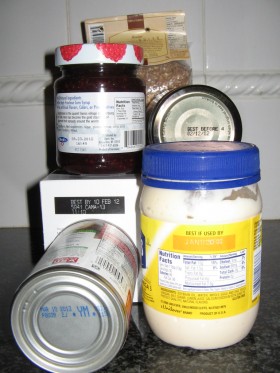
Food Safety: How Accurate are "Best by" Labels
I recently got an e-mail from Scott who wrote, “I saw a TV show saying that the expiration date on mayonnaise is not real. . . Is this true? Also are the expiration dates on canned goods like tuna, soup, or tomato products really valid . . .? I promised…
Food Safety: How Accurate are “Best by” Labels
I recently got an e-mail from Scott who wrote, “I saw a TV show saying that the expiration date on mayonnaise is not real. . . Is this true? Also are the expiration dates on canned goods like tuna, soup, or tomato products really valid . . .? I promised…
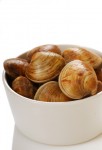
Clams: How do you store and clean clams?
Bob e-mailed the Kitchen Shrink to find out how to store and clean shellfish such as clams before cooking. It is best to purchase clams just before cooking them so there should be little storage to worry about. Clams are purchased alive and must be kept alive. If you do…
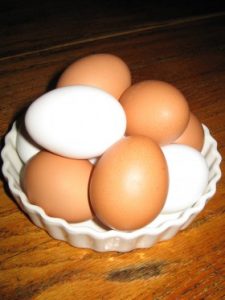
Eggs: How long can I keep hard-cooked eggs?
Each year just after the spring holidays the Kitchen Shrink gets e-mails asking about storing hard-cooked eggs. According to the American Egg Board’s Eggcyclopedia, hard-cooked eggs should be cooled and refrigerated as soon as they have been cooked. Store them in their shells and use them within one week.

Meat: How can you check the flavor of homemade sausages without tasting raw meat?
Tom e-mailed the Kitchen Shrink that he likes to make homemade sausage but each time he does so they turn out differently. He wondered how he could prevent that from happening. I love to add a variety of seasonings to my burgers as well as to meat mixtures for my…
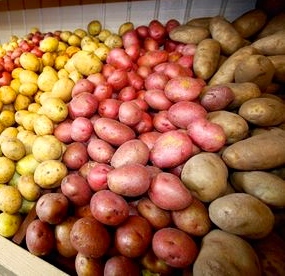
Potatoes: What are the green patches you find on potatoes and are those potatoes safe to eat?
Heather recently asked the Kitchen Shrink if it is safe to eat potatoes that were green in places. If potatoes are exposed to light for a period of time, the toxic alkaloid, solanine, develops just under the skin causing the area to turn green. Not only would this area taste…
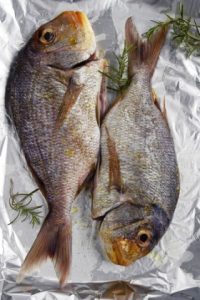
Fish: How can we find out which fish are safe to eat and not endangered?
Susan from San Francisco e-mailed the Kitchen Shrink to ask, “Can you recommend fish that are safe to eat and not in danger of being over-fished? I’ve heard that some of my favorites are endangered, but we get conflicting reports.” Information on seafood does seem to change frequently so I…